
Table of Contents
Introduction
Dubai‘s scorching climate presents unique challenges for businesses handling perishable goods. Whether you’re distributing fresh dairy, frozen seafood, or pharmaceutical products, selecting the right refrigerated vehicle is crucial for maintaining product quality and complying with food safety standards. This guide breaks down the key differences between chiller and freezer vans to help you make an informed decision for your cold-chain logistics needs.
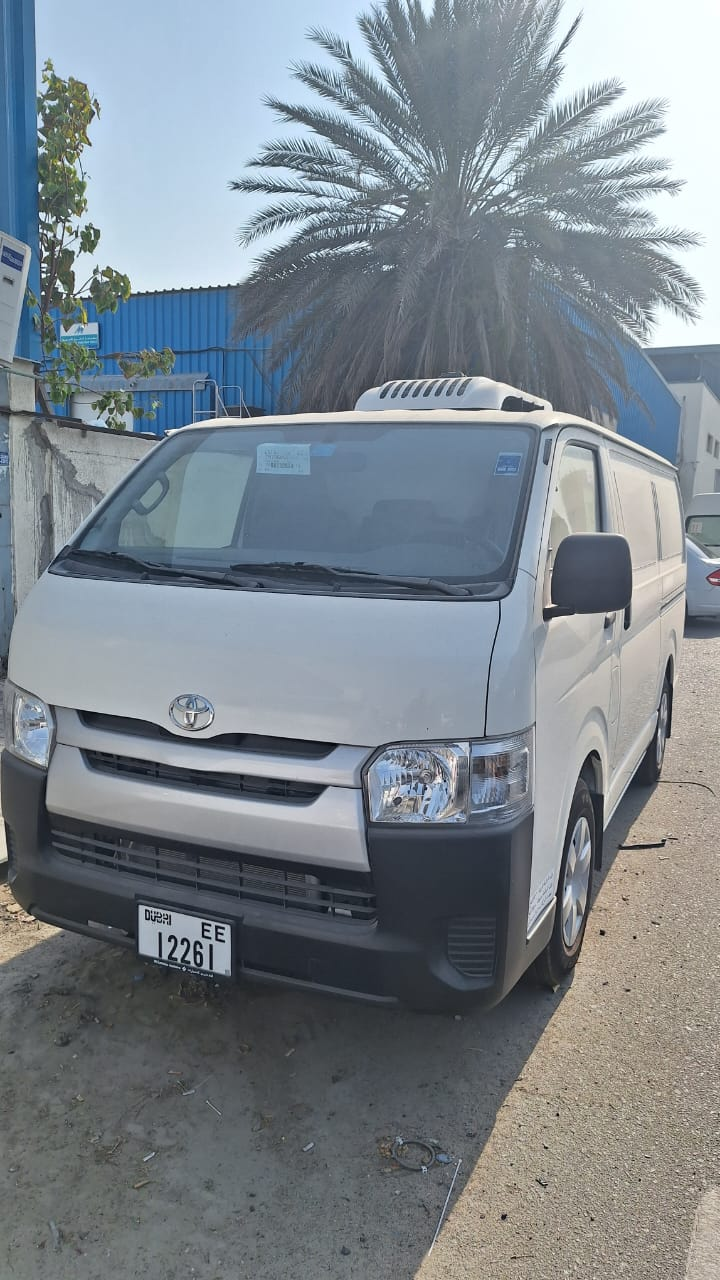
Comparison between Chiller van vs freezer van:
Understanding Chiller Vans: Temperature and Applications
A chiller van maintains temperatures between +2°C and +8°C, making it ideal for products that require cool storage without full freezing. This category of refrigerated vehicle is commonly used for urban deliveries and short-distance routes throughout Dubai.
Best suited for:
- Fresh produce and vegetables
- Dairy products including milk, yogurt, and cheese
- Ready-to-eat meals and prepared foods
- Pharmaceuticals requiring cool storage
Chiller vans typically feature adjustable cooling systems and well-insulated cargo areas, allowing drivers to fine-tune temperature settings based on specific cargo requirements. Their efficiency for shorter routes and lower operating costs make them popular among restaurants, catering companies, and supermarket chains.
Freezer Vans: Deep Freeze Capability for Demanding Cargo
Freezer vans operate at -18°C and below, providing the intense cold required for fully frozen products. These heavy-duty refrigerated vehicles are equipped with powerful refrigeration units and thick insulation to handle demanding applications and long-distance transport across the Emirates.
Ideal cargo includes:
- Frozen meat and poultry
- Ice cream and frozen desserts
- Seafood and frozen fish
- Pharmaceutical and medical products requiring deep freeze
- Bulk frozen goods requiring long-distance distribution
The robust refrigeration systems in freezer vans ensure consistent temperature maintenance, even during extended journeys or in Dubai’s extreme heat. This makes them indispensable for large-scale frozen supply chains and distribution networks.
Key Differences: Chiller vs Freezer Van
| Feature | Chiller Van | Freezer Van |
| Temperature Range | +2°C to +8°C | -18°C and below |
| Primary Use | Fresh and semi-perishable goods | Fully frozen products |
| Best For | Urban, short-distance routes | Long-distance, bulk transport |
| Operating Cost | Lower fuel and maintenance | Higher due to powerful units |
| Insulation Thickness | Standard | Heavy-duty, reinforced |
| Typical Journey Duration | 2-8 hours | 2-48 hours |
| Cargo Examples | Fresh produce, dairy, meals | Frozen meat, seafood, ice cream |
| Response Time to Temperature | Moderate | Quick and consistent |
| Suitable for Dubai Climate | Yes, with proper routing | Ideal for extreme heat |
| Cost Comparison | Budget-friendly | Premium pricing |
Selecting the Right Refrigerated Vehicle for Your Business
Choose a chiller van if you:
- Operate a restaurant, catering service, or food delivery business
- Supply fresh products to supermarkets and retail outlets
- Deliver ready-made meals requiring moderate cooling
- Need flexibility for multiple stops on shorter routes
Choose a freezer van if you:
- Distribute frozen meat, seafood, or poultry
- Supply ice cream shops or frozen food retailers
- Handle pharmaceutical products requiring deep freeze
- Transport large quantities of frozen cargo across long distances
Advanced Features and Safety Standards
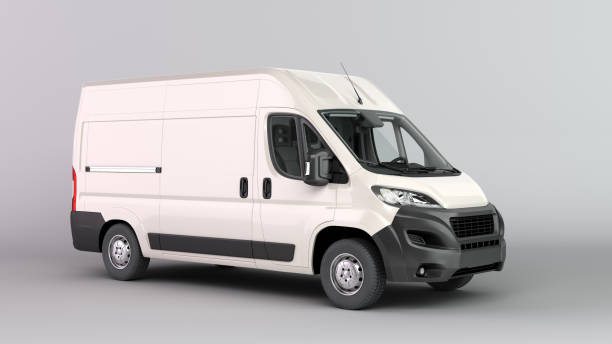
Modern refrigerated vehicles in Dubai come equipped with advanced technology to ensure product integrity and compliance:
Temperature Monitoring: GPS-enabled systems track temperature fluctuations in real-time, alerting drivers to any deviations that could compromise cargo quality.
Climate Control: Adjustable refrigeration settings allow operators to maintain precise temperatures tailored to specific products, from fresh vegetables to frozen pharmaceuticals.
Professional Drivers: Cold-chain trained operators understand proper loading procedures, temperature maintenance, and food safety protocols required in Dubai’s logistics industry.
Regulatory Compliance: All refrigerated vehicles undergo RTA (Road and Transport Authority) approval and Dubai Municipality inspections, ensuring refrigeration units and insulation meet strict standards.
Refrigerated Vehicle Rental Options in Dubai
Finding the right rental service depends on your specific transport needs:
For short-term requirements: Many companies offer daily or weekly chiller van rentals for event catering, restaurant restocking, or one-off deliveries.
For long-term partnerships: Businesses with consistent frozen supply chain needs benefit from monthly rental agreements with dedicated freezer van fleets.
Driver services: Most rental companies provide experienced, cold-chain certified drivers, eliminating the need for in-house training and ensuring compliance with handling standards.
Cost considerations: While freezer vans command higher rental rates due to their advanced cooling systems and robust insulation, the investment protects high-value frozen cargo and ensures reliable delivery schedules.
Frequently Asked Questions
What temperature can a chiller van maintain?
Chiller vans maintain temperatures between +2°C and +8°C consistently, regardless of external conditions. Modern units reach target temperatures within 15-30 minutes of engine startup.
Can a chiller van operate in Dubai’s summer heat?
Yes, properly maintained chiller vans operate reliably even when outside temperatures exceed 50°C. The key is regular maintenance and efficient route planning to minimize cargo exposure during loading.
What products can I safely transport in a freezer van?
Any fully frozen items including meat, seafood, ice cream, frozen vegetables, pharmaceutical products, and ice. All items should be pre-frozen before loading to maintain temperature stability.
How quickly does a freezer van reach -18°C?
Most modern freezer vans reach -18°C within 20-45 minutes depending on outside temperature and cargo volume. Pre-cooling vehicles before loading cargo improves efficiency.
Do freezer vans support pharmaceutical transport?
Yes, many freezer vans are equipped with temperature-logging technology and specialized insulation for pharmaceutical-grade cold-chain logistics. Confirm pharmaceutical compliance requirements with your rental provider.
Can I switch between chiller and freezer modes in one vehicle?
Some advanced refrigerated vans offer dual-zone configurations allowing both chiller and freezer temperatures simultaneously, ideal for mixed cargo deliveries.
Conclusion
The choice between a chiller van and a freezer van depends on your cargo type and delivery distance. Chiller vans work best for fresh goods and short urban routes, while freezer vans are essential for frozen products and long-distance transport. Both are critical for maintaining food safety and compliance in Dubai’s hot climate. Select the right vehicle for your needs, and you’ll protect your products, meet regulations, and build customer trust.
